
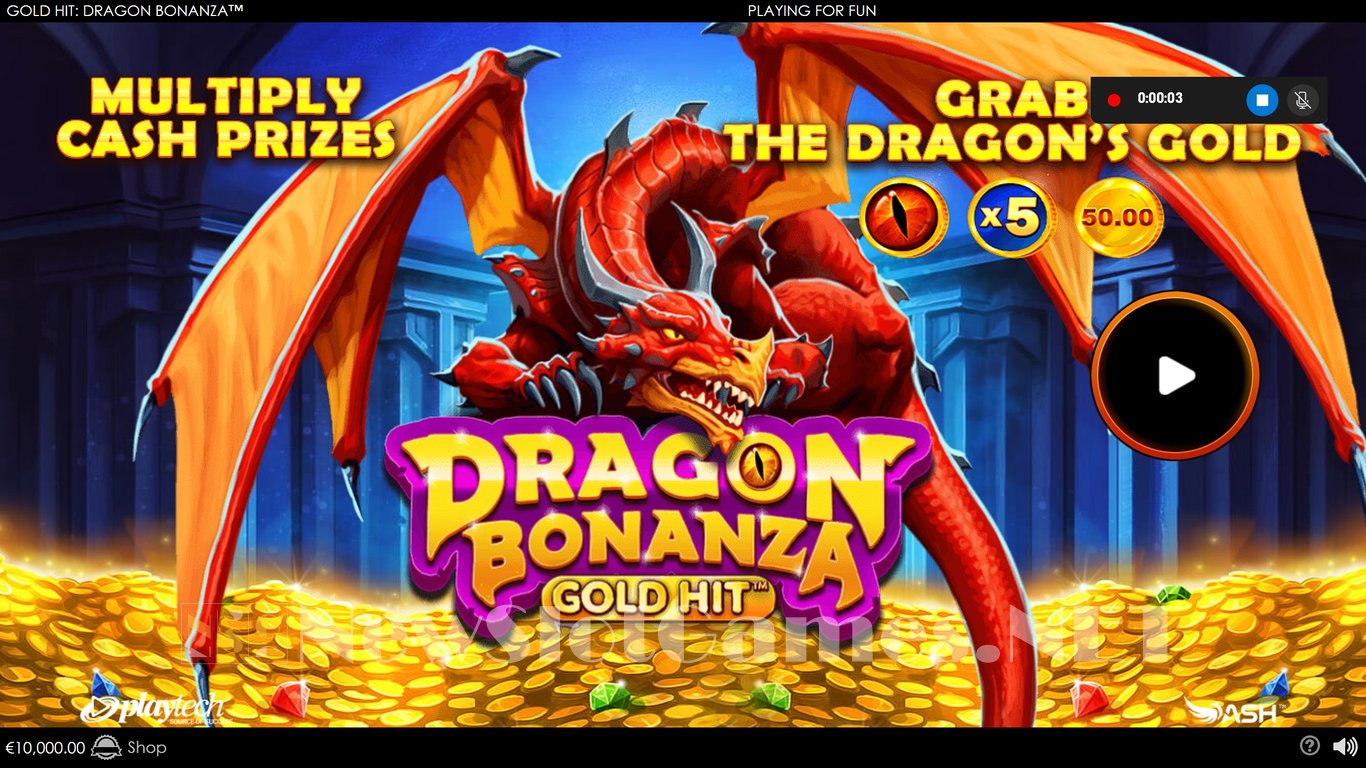
After years spent studying online slots, I’ve discovered the games that stick with me always have a rich backstory and careful design. My first encounter at Rtp Book Of Aztec of Aztec grabbed my interest immediately. Its visual style and ambiance felt complete, which made me eager about how it was developed. This article shares what I found. I looked past the usual paytable talk and connected with the development team, sifting through production notes to piece together a real behind-the-scenes story. You’ll witness the choices, the difficult elements, and the innovative concepts that formed this well-liked game. We’ll explore everything from the initial concept inspired by Mesoamerican history to the sophisticated math behind its bonus rounds. This is a look most players never get, showing how a basic slot idea becomes a polished digital experience meant to capture players everywhere.
The birth of an notion: From concept to motif
The concept for Book of Aztec didn’t start as just another “book” slot clone. The team told me they were captivated by a specific historical look. They sought a setting that appeared old and steeped in mystery, but also vivid and distinct from the common Egyptian or Norse backdrops. Aztec culture, with its detailed goldwork, massive pyramids, and distinctive glyphs, gave them the optimal starting point. Early drawings explored color combinations—deep greens from the jungle, rich blacks like volcanic rock, and the gleaming gold of riches. The artists dedicated weeks looking at old texts and buildings to make glyphs that felt real but still worked on a slot reel. One obvious choice was to avoid brutal or hackneyed pictures. They concentrated instead on the civilization’s art and its bond to the natural world. This dedication to the theme was crucial. Every component, from the stone-carved reel frame to the background sounds of remote animals, was built to draw you into its universe the second the game loads.
Narrative and Imagery Merging
The designers did not simply decorate the game; they wove a light story into it. A main figure, represented by the high-value gold mask icon, acts as an seeker seeking the Book. The Book cleverly operates as both the Wild and Scatter glyph. This narrative is held basic on intent, letting players envision crunchbase.com their own journey. The Book is the vital piece, a symbol of age-old lore that starts the main bonus. This ties the concept and the game feature together smoothly.
Choosing the Primary Glyphs
Picking the standard symbols took careful deliberation. The lower-value icons are not playing decks. They are stylised glyphs and artifacts, each picked for its historical significance. The higher-value icons—a serpent headdress, a jaguar statue, a golden knife, and a ceremonial visage—were based on museum sources. The artists faced a challenge: these detailed artifacts needed to be legible even on a small phone monitor. Several redesigns took place to make sure every symbol was simple to identify. This emphasis on motif makes the game seem like a single piece of design, not just a collection of nice graphics.
Creative Direction and Visual Design
The visual direction adhered to a guideline the lead artist termed “genuine legend.” They weren’t going for exact historic precision. The objective was to build a setting that seemed believable and exciting, true to the core of the concept. The slot grid resides inside a rock temple border, with sculptures that hint at a larger space just out of sight. A gentle parallax motion makes the background of the temple move slightly during game turns, providing depth perception. Color grading was essential. They employed rich, cool shadows to make the golden and emerald hues of the game symbols be prominent. The motion style sparked much discussion. The team selected clean, purposeful motion over flashy effects. Paylines cause game symbols glow and shift. The Book symbol glows with a subtle glow, attracting your focus in a non-distracting way.
Motion Graphics and UI Structure
The UI created a problem. How can you integrate modern betting controls and data displays into a historic temple without ruining the mood? Their answer involved creating interface panels that resemble worn stone tablets with metal inlays. Buttons have a pleasing click sound that resembles a stone slab moving. They reviewed each digit and typeface for readability and to ensure it matched the style. The spin button, which can often feel incongruous in themed video slots, appears as a large ceremonial disk. The development crew performed a lot of game testing. They aimed for the layout to be user-friendly for new players but yet offer veteran players all the details they needed. Striking that equilibrium is a challenging aspect of game development, and the team put in effort to get it right.
Math and Mechanics: Engineering the Player Experience
The math model—the Return to Player (RTP) and volatility—is the hidden engine of any slot. For Book of Aztec, the developers aimed for a classic “Book” formula with a modern edge: high volatility paired with a competitive RTP. This creates a specific rhythm. Base game wins tend to be smaller, building anticipation for the free spins round where bigger payouts can happen. The hit frequency, or how often a win lands, was tuned carefully. It gives enough positive feedback to keep players engaged during quieter stretches. The heaviest math work went into the free spins feature. The team ran millions of simulations. They had to balance how often free spins trigger against the possible payouts inside them. They modeled every outcome for the expanding symbol, ensuring the feature felt exciting and generous without breaking the game’s economy.
Striking a Balance Risk and Reward
A main design goal was to give players real choices. This appears in the gamble feature. That optional mini-game, where you guess a card’s color to double a win, wasn’t included last. Its near 50/50 odds were selected deliberately to offer a clear, quick risk. The developers said features like this are important for player agency. They let players who like risk take a chance, while others can skip it. This focus on psychological pacing—mixing small decisions, building tension, and a high-volatility climax—turns raw numbers into a gripping experience. Every percentage point in the math model relates to a specific feeling they want players to have, from the tease of a near-miss to the joy of a well-timed win.
Sound Design and Sound Immersion
The audio in Book of Aztec shows how subtle reinforcement functions. The principal sound designer described the approach “environmental storytelling.” The core game track isn’t a repeating tune. It’s a multi-layered ambient soundscape. You detect the distant echo of water in a cavern, the subtle rustle of jungle leaves, and a faint, mysterious wind melody. This sparse style keeps the sound from turning annoying during long play sessions. The sound effects are the part the game gains life. Each symbol features its own textured sound when it lands. The glyphs create a soft clay thud, and the gold artifacts emit a metallic chime. Starting a spin comes with a low, stone-grinding noise that enhances the tactile feel of the temple. The extremely dramatic audio is kept for the free spins. The ambient track expands with a choir and rhythmic drums, boosting the excitement without becoming too loud.
Cognitive Audio Cues
Sound also plays psychological roles. The ascending musical cue that triggers on a win is designed to produce a gratifying feeling, a sonic pat on the back. Even the “near-miss” sound got attention. It’s a distinct, slightly off chime that triggers when two special symbols arrive just outside a winning line. The developers said it was designed to indicate “almost there,” creating more anticipation than frustration. This detailed orchestration of sound guarantees your ears are as active as your eyes. It builds a multi-sensory experience that intensifies engagement and makes the core gameplay loop more satisfying on a level you could not even realize.
Bonus Feature Deep Dive: The Free Spins Mechanism
The free spins round is the center of Book of Aztec, and its design shifted the most. The classic “Book” system, where a random symbol expands to cover whole reels, was the basis. But the team wanted to add some strategic depth. They tried a version where players could pick their expanding symbol. Playtesting showed it actually reduced the exciting randomness players loved. The final design goes all-in on chance but cranks up the drama. When free spins trigger, the game doesn’t jump right in. It pauses intentionally. The Book animates, opens, and chooses one regular symbol to become the special expanding symbol. That moment of suspense is a big part of the feature’s appeal. The number of free spins awarded is normal, but the real potential lies in how often the expanding symbol appears. The math here is tuned for high volatility. Some sessions with several expanding symbol hits can deliver huge wins, while others are more subtle. This keeps the feature viable and exciting over the long term.

Technical Implementation of the Expanding Symbol
Making the expanding symbol work was a technical hurdle. The symbol had to expand smoothly and instantly on any device, from a powerful desktop to an older smartphone. The graphics engine was optimized to pre-load every possible expanded symbol animation in the background. Also, the game logic has to calculate instantly all the new winning combinations the expanded symbol creates, including any cascading wins. This required strong, efficient code to handle complex, multi-line payout calculations in milliseconds. The goal was to keep the gameplay feeling smooth and continuous, even during the feature’s most chaotic and rewarding moments.
Optimizing for International Markets
Creating a slot for a global audience, spanning regions with varied tech environments like Canada, demanded a rigorous optimization plan from the outset. The developers designed Book of Aztec with HTML5 technology employing a mobile-first method. This implies the game’s core visual and functional design was first prototyped on a smartphone screen. They guaranteed touch controls felt natural and graphics were sharp on small displays. Asset loading was a major concern. High-resolution textures and animations were optimized without sacrificing visible quality. This keeps load times fast even on slower mobile networks, which is crucial for preventing players from quitting. The game was also stress-tested across a vast range of devices, operating systems, and browsers to ensure consistent performance. For markets with stricter rules, the code was built in modules. This permits for easier integration of different responsible gaming tools or regulatory requirements without reworking the whole game. It reflects a forward-thinking strategy for global distribution.
Adapting to Player Preferences and Regulations
Optimization wasn’t just about tech capability. It also involved adapting to what players in different regions prefer. While the core game stays the same, the backend systems manage different currency displays, language localizations for game rules, and connections to region-specific bonus structures. The development team partnered with platform providers to make sure the game’s volatility and RTP were communicated clearly. This matches a growing worldwide demand for transparency. This holistic view of optimization—spanning technology, user experience, and regulatory compliance—is what enables a title like Book of Aztec deliver a smooth and engaging experience. It functions for a player in a big city or a remote location, on the newest smartphone or an older tablet.
The Development and User Feedback Post-Launch
Introducing Book of Aztec wasn’t the end of its development. It resembled a new chapter. The team watched anonymized player data carefully. They measured metrics like typical session duration, how often the bonus occurred, and interaction with the free spins round. This data yielded interesting insights. For example, players utilized the gamble feature more than expected, confirming this audience likes a bit of risk. Feedback from forums and community channels was also examined regularly. While the core math model was kept intact for fairness, they sometimes made small tweaks to animation timing or sound balance based on this feedback. These changes improved the overall feel. The game’s lasting popularity is considered by its team as proof their thematic and mechanical choices worked. It showed that a well-made classic formula, combined with high production values and a coherent artistic vision, can distinguish itself in a packed market. It still draws new players long after its first release.
Tinggalkan Balasan